Solutions Visuals - CBNI
Program Years: 2024-Current


The Solutions Visuals program, part of SJN’s Climate Beacon Newsroom Initiative, is SJN’s first dedicated visuals program, created to train newsrooms in producing solutions-focused photos, videos and multimedia stories.
Pictured: The team at Cherokee Phoenix participates in a training as part of the Climate Beacon Newsroom Initiative’s 2024-2025 Solutions Visuals cohort. Photo by Tara Pixley.
The program works with U.S.-based newsrooms to expand, experiment with and refine their visual coverage of the responses to climate change and how those solutions intersect with issues like health, economics and civic life. Throughout 12 months of training and mentorship, newsrooms learn how to move beyond images of disaster and devastation and develop the visual storytelling skills needed to capture evidence-based climate solutions in action.
The first cohort, launched in 2024, produced visual storytelling on topics ranging from coastal restoration and water conservation to flood resilience and Indigenous land management. Participants presented their climate solutions visuals reporting at the annual gathering of the Society of Environmental Journalists and the Indigenous Media Conference in 2025.
The second cohort, launching in 2026, expands the range of visual mediums to include illustration, animation and more. For this initiative, SJN is partnering with CatchLight and Photoville to bring selected stories, and their insights, to the audience through public exhibitions.
2026–27 Solutions Visuals Newsroom Cohort
Learn about the newsrooms and reporting from the current CBNI Solutions Visuals cohort.

2024-25 Solutions Visuals Newsroom Cohort
Learn about the newsrooms and reporting from the first CBNI Solutions Visuals cohort.
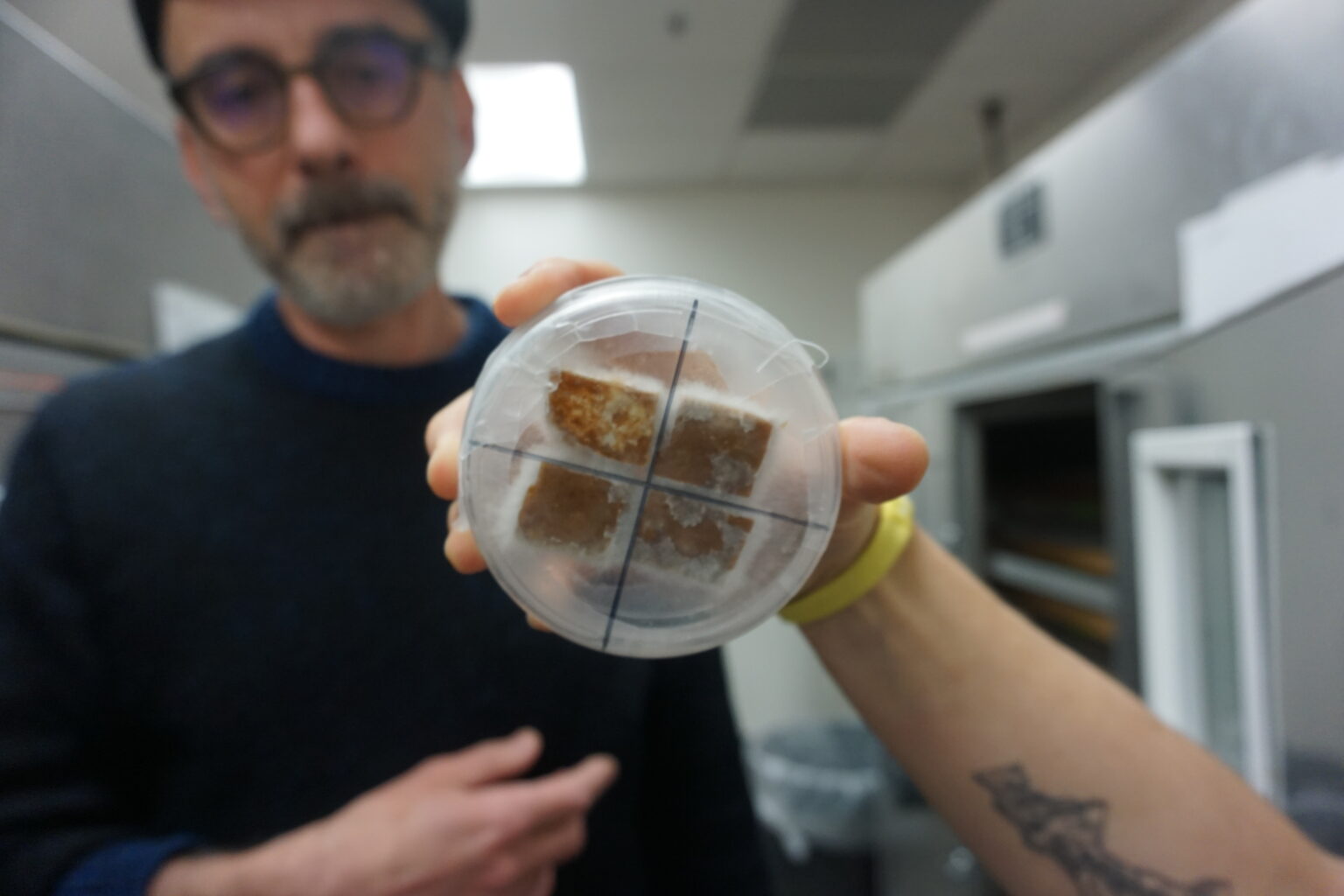
Pictured: Fungi may offer an alternative to plastic form, according to researchers at the University of Alaska Anchorage. Photo by Yereth Rosen/Alaska Beacon. Read the full story.
Based in Juneau and Anchorage, this independent digital newsroom covers the impact of state policies on climate change, social justice and the economy, with an emphasis on Alaska Natives and marginalized communities. During the CBNI Solutions Visuals program, the newsroom launched Alaska Solutions, a section exploring the impact of the changing Alaskan climate through efforts to combat and mitigate it.
Its coverage included stories on early-warning systems and flood barriers to prevent or reduce the damage caused by glacial outburst flooding; a look at how Fairbanks reduced its winter air pollution by almost half, and how local materials could reduce the use of plastics in the state’s massive seafood shipping industry, among others.
- Long-term efforts to clean air in Alaska’s second-largest city are paying off
- Alaskans work to analyze and reduce risks of glacial outburst flooding
- Juneau flood barriers and early warning prevent major damage, amid record-breaking glacial outburst
- Fungi and spruce may help solve Alaska’s plastic pollution problem
- Joint effort assesses landslide and tsunami risks in Alaska’s Prince William Sound
“Alaska is a place experiencing vast impacts from climate change. Approaching the work Alaskans are doing to address these impacts through a solutions journalism lens made the challenges real without undue pessimism. And the focus on visual storytelling resonated with our audiences.”
— Andrew Kitchenman, former editor, Alaska Beacon
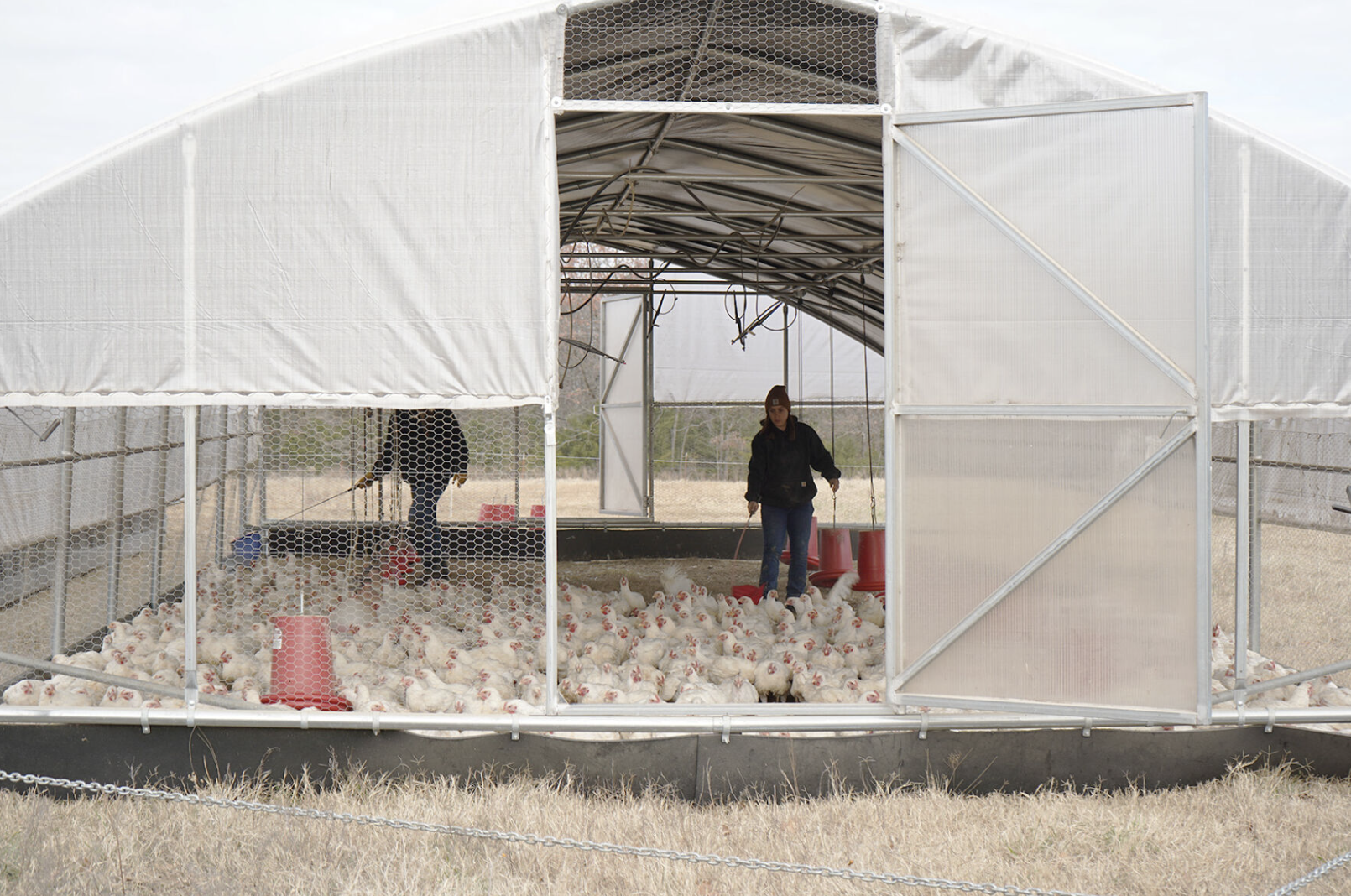
Pictured: Mobile pens reduce the environmental impact of raising chickens in Oklahoma. Photo by Lindsey Bark/Cherokee Phoenix. Read the full story.
Founded in 1828, the Cherokee Phoenix is the first newspaper published in a Native American language and serves 450,000 Cherokee Nation citizens. As part of its work with SJN, the newspaper created its own dedicated solutions journalism section featuring a Cherokee-language slogan and graphic: “ᎪᎷᏩᏛᏓ ᎧᏃᎮᎸᏍᎩ” (“Goluwadvda Kanohelvsgi”), meaning “solution story.”
The section features multimedia stories produced as part of the CBNI Solutions Visuals, as well as others highlighting the tribe’s efforts in harm reduction, health-care workforce development and access to clean water. Focused on solutions to industrial poultry farming and water pollution, one of the videos from its CBNI series was the most watched video in 2025 on the Cherokee Phoenix’s YouTube channel. In the months since the end of the program, the section has explored other topics like sustainable farming and elder care.
- Sustainable, Responsible Farming: Environmentally sound farms create bigger benefits to land, water
- Protectors: Homestead and mid-size chicken farms
- Fighting for Spring Creek: Citizens battle poultry pollution to protect a pristine stream
- Protectors: Spring Creek
“Solutions journalism is a vital skill and storytelling style that every newsroom in Indian Country should be incorporating. Contrary to the typical negative media coverage, this style gives Indian Country the opportunity to become more informed while also giving the inspiration to see positive changes or solutions to issues within their respective tribes and communities.”
—Tyler Thomas, executive editor, Cherokee Phoenix
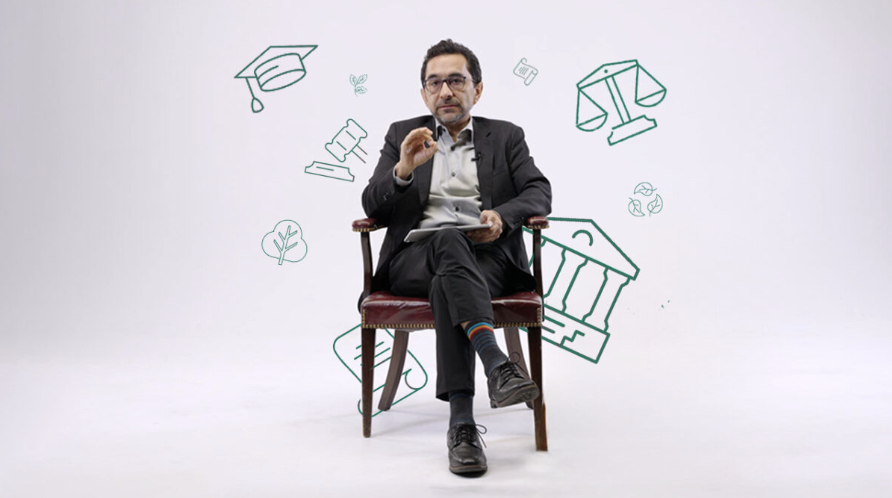
Pictured: César Rodríguez-Garavito of NYU School of Law spoke about climate litigation and law in Mongabay's Against All Odds series. Photo by Carmen Hilbert. Read the full story.
A global newsroom publishing in eight different languages and with a network of more than 1,000 collaborators, Mongabay is recognized as one of the world’s leading voices in environmental coverage. As part of the CBNI Solutions Visuals cohort, Mongabay integrated the core precepts of solutions journalism into its video workflows, with 80% of its long-form video and 50% of its short-form video employing the four pillars by 2025.
Mongabay also launched two video series: “Against All Odds” and “Then V Now,” offering insights on how to protect rainforests, the role of fungi in fighting climate change and how technology is helping conservation efforts, from tracking parrots in Mexico to understanding the communication among sperm whales.
- Fungi are our climate allies
- Top tools to protect rainforests
- Using the law to save the planet
- Eavesdropping on whales
- Tracking snakes without rattling them
- What’s in vogue? Bird ‘backpacks’
“Visual climate solutions journalism helps our community see what’s possible — not just what’s broken. It’s about inspiring action through stories of resilience and innovation.”
— Lucia Torres, video managing editor, Mongabay
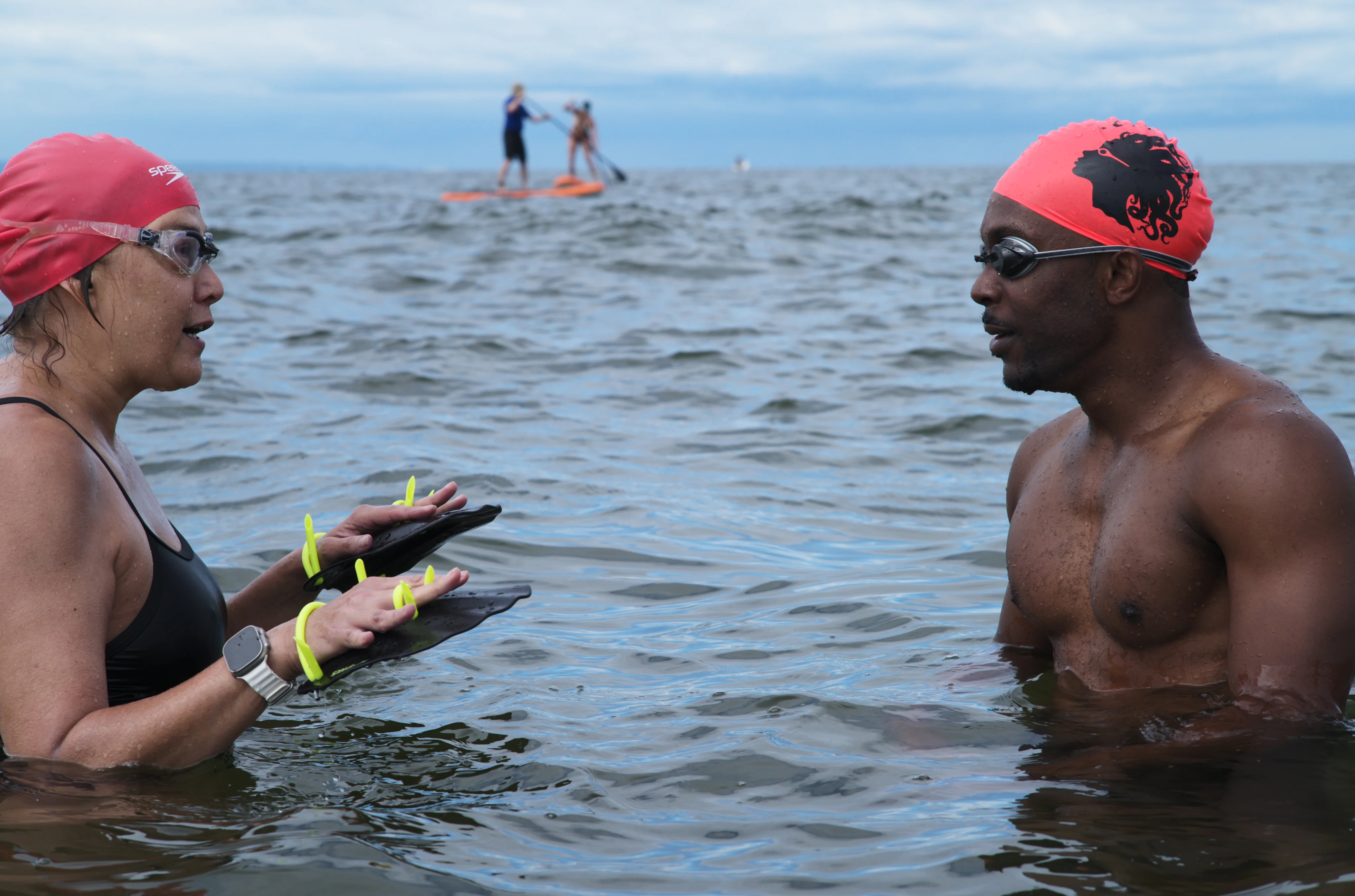
Pictured: Some open water swimmers in New York see the activity as a response to climate change. Photo by Damaso Reyes/New York Amsterdam News. Read the full story.
One of the oldest Black-owned and -operated newspapers in the U.S., the New York Amsterdam News covers events and topics that impact Black and brown communities in New York and the rest of the U.S., with a focus on racial justice and equity. During the program, the newsroom stepped up its solutions visual coverage, elevating its “Black to Nature” vertical, which empowers Black communities by strengthening their connection to nature and promoting outdoor activities.
Its reporting, which included stories on how open swimming is a response to climate change and a program that takes high school students to plant beach grass to fight erosion and mitigate storms, gave the newsroom the opportunity to rethink its website presentation and leverage new visual tools to present stories in new ways and engage audiences.
- NYC high schoolers work to protect Brooklyn's shoreline
- In our city of islands, teaching open water swimming is a climate solution
“These visually focused stories have allowed us to connect to our community in new ways and to expand how we tell stories online.”
— Damaso Reyes, executive editor, New York Amsterdam News
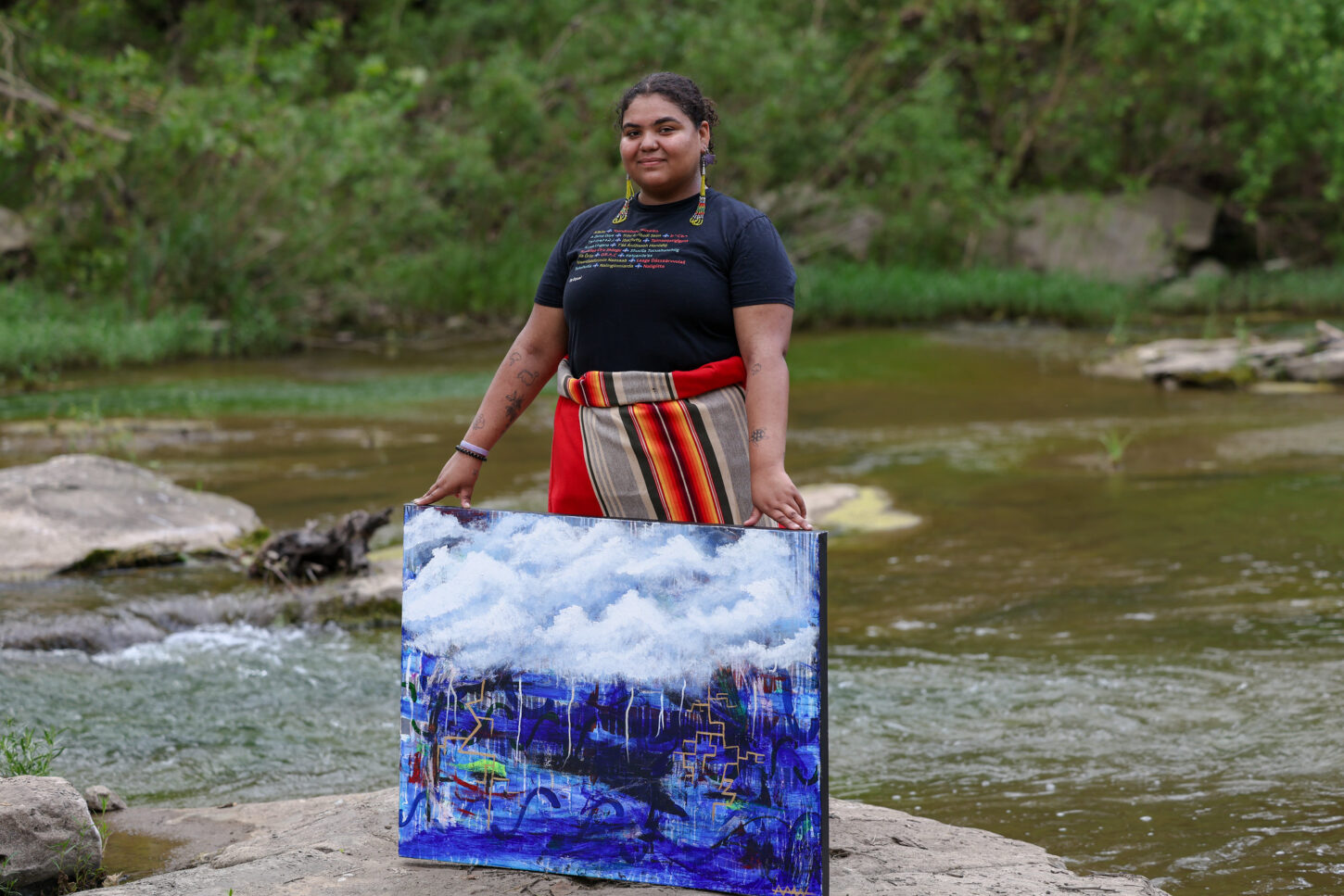
Pictured: Osage community members created art and a collaborative zine to express their relationship to water and water protection. Photo by Echo Reed/Osage News. Watch the full story.
Editorially independent, Osage News covers the issues that affect the Osage Nation, serving its readers through a weekly print publication and online updates. As part of the CBNI Solutions Visuals cohort, Osage News developed “Reclaiming Our Water,” a three-part series that looked into the aging water infrastructure of the reservation and the efforts by its citizens to educate themselves and demand action.
Using online videos, Osage News explained the environmental risks of orphaned wells, the role young Osages play in pushing change and how community action is forcing the discussion of potential solutions and the need for infrastructure investment. Its work culminated in a water symposium that brought together water experts, local leaders, community stakeholders and the public to raise awareness of this issue.
- Reclaiming Our Water: Orphaned and Abandoned Wells
- Reclaiming Our Water: Osage Youth
- Reclaiming Our Water: Time to Act
“This is the first time we have done a series, so the process was all completely new to us. Normally, reporters and our photojournalist work on their own stories separately. This forced them to collaborate, work together and rely on each other for the story. I was very proud of how well they all worked together to get the story.”
— Shannon Shaw Duty, editor, Osage News